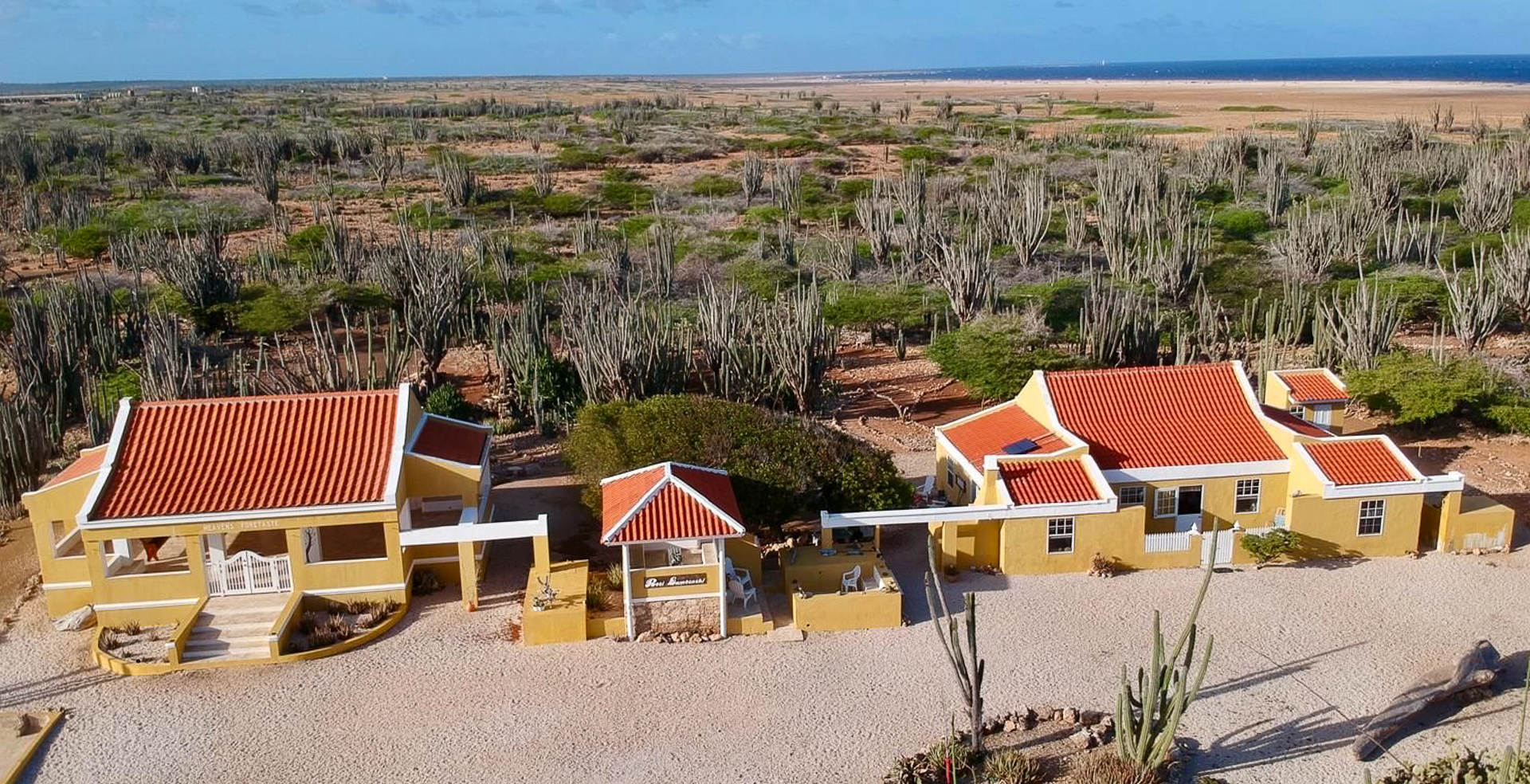
Archaeological traces suggest Rooi Lamoenchi was already in use during the slavery era. A 250-year-old stone wall and foundations of an earlier overseer’s house indicate agricultural activity long before the Herrera family acquired the land.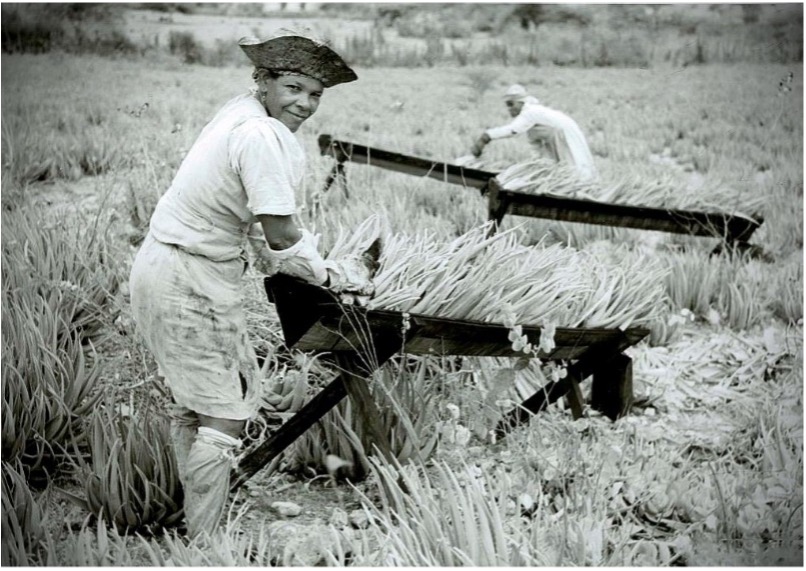
José Altagracia, originally from the Dominican Republic, purchases Rooi Lamoenchi from the government of Bonaire.
He builds the kas di vitó (overseer’s house) — today’s plantation house — and develops goat farming and sorghum cultivation as primary income sources.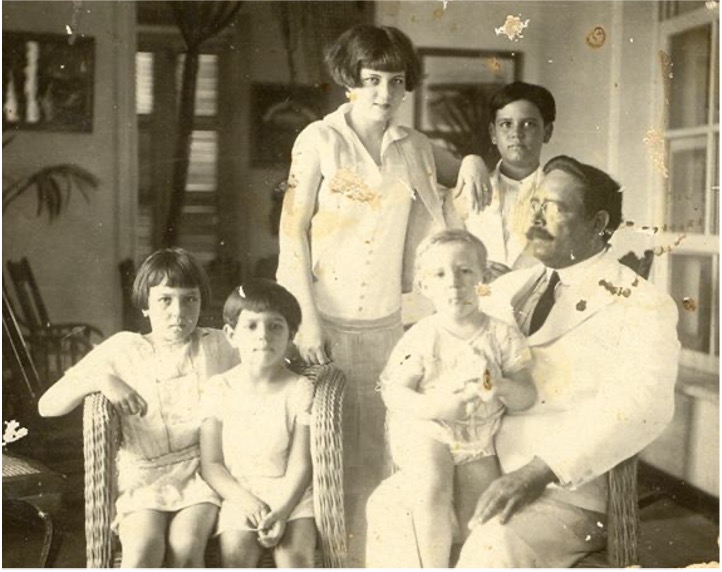
After José’s passing (1905), his sons Julio Eustaqio and Gilberto Rafael continue the family business under the name Hermanos Herrera.
They expand operations across Bonaire, including plantations and salt pans, establishing the family as major landowners and traders.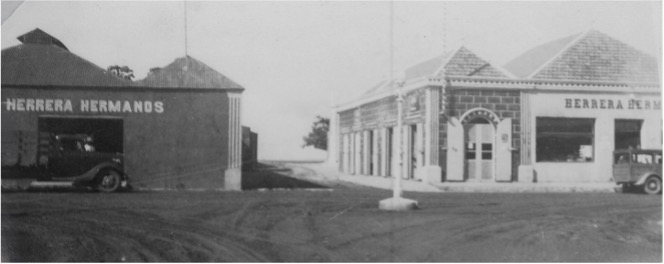
The Herrera brothers acquire additional plantations, including Washington.
After their deaths (1931 and 1933), ownership structures shift within the family. Washington later becomes the foundation of today’s Washington-Slagbaai National Park.
Returning from the Netherlands, Julio Humberto Ramon Herrera breathes new life into Rooi Lamoenchi.
He expands goat farming to over 5,000 goats and cultivates sorghum, watermelons, vegetables, and aloe for export.
Aloe production, once a major export to the United States, collapses in the early 1960s.
Shortly after, large-scale goat theft severely impacts the plantation, marking the end of its peak agricultural period.
Ellen Herrera, 4th generation, takes responsibility for Rooi Lamoenchi.
Rather than restoring it as a commercial plantation, she commits to preserving it as historical heritage.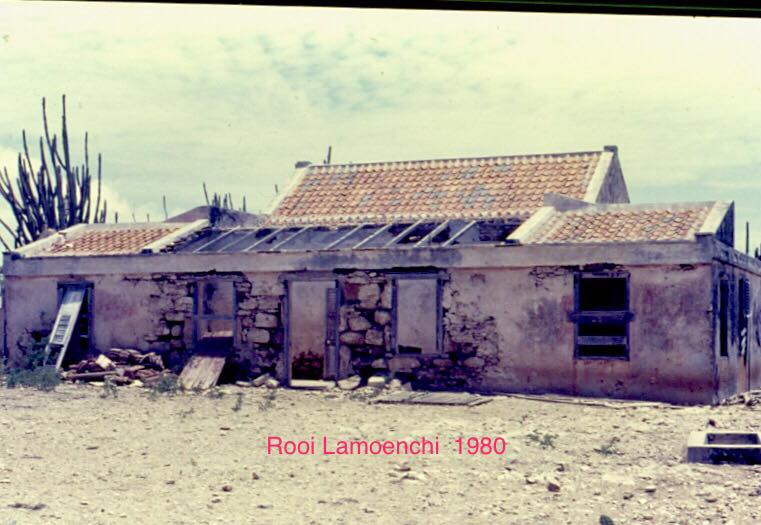
The plantation house is restored.
“Heavens Foretaste” is built as a place for prayer and Christian reflection.
Walking paths are created. The natural landscape is opened for visitors.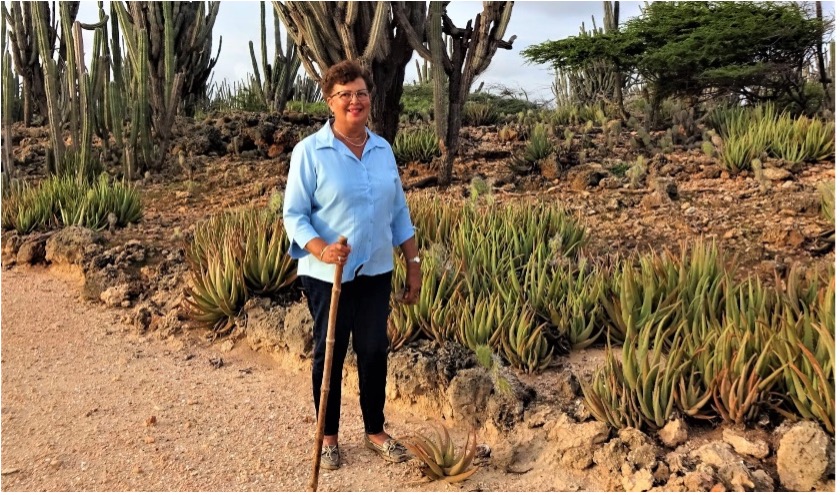
Rooi Lamoenchi stands as a unique place where nature, history, and faith meet.
The plantation is preserved for future generations as a heritage park, place of reflection, and cultural landmark of Bonaire. Rooi Lamoenchi is truly a patrimonium of the island